The Importance of EMI Shielding in Control Cables A Comprehensive Guide
Introduction In today's technologically advanced world, the design and functionality of electronic devices play a crucial role in our daily lives. From smartphones to industrial machinery, electronic devices rely on control cables to transmit signals and power efficiently. However, these cables are susceptible to electromagnetic interference (EMI), which can disrupt the transmission of signals and compromise the performance of the devices. In this comprehensive guide, we will explore the significance of EMI shielding in control cables, its impact on electronic devices, and the various techniques and materials used to mitigate EMI. Understanding EMI and Its Effects Electromagnetic interference (EMI) is the phenomenon where electromagnetic energy from external sources interferes with the signals transmitted through control cables. EMI can arise from various sources such as radio waves, electrical noise, and electromagnetic radiation emitted by electronic devices. When EMI infiltrates control cables, it can cause signal distortion, data corruption, and even equipment malfunction. The effects of EMI on electronic devices can be detrimental, leading to decreased performance, increased error rates, and even complete system failure. For industries that rely on precise and uninterrupted signal transmission, such as aerospace, telecommunications, and medical equipment, the impact of EMI can be catastrophic. Therefore, implementing effective EMI shielding in control cables is essential to ensure the reliability and longevity of electronic devices. Importance of EMI Shielding in Control Cables EMI shielding serves as a protective barrier that prevents external electromagnetic energy from interfering with the signals transmitted through control cables. By incorporating EMI shielding in control cables, manufacturers can safeguard the integrity of signal transmission and ensure the proper functioning of electronic devices. The benefits of EMI shielding in control cables include: 1. Signal Integrity: EMI shielding helps maintain the integrity of signals transmitted through control cables by reducing the impact of external electromagnetic interference. This ensures that the signals reach their intended destination without distortion or corruption. 2. Reliable Performance: By minimizing the effects of EMI, shielding control cables enhance the performance and reliability of electronic devices. This is particularly crucial in industries where uninterrupted signal transmission is vital for operations. 3. Compliance with Regulatory Standards: Many industries are subject to regulatory standards that mandate the use of EMI shielding in electronic devices and control cables. By overhead power line noise reduction to these standards, manufacturers can ensure compliance and avoid penalties. 4. Longevity of Electronic Devices: EMI shielding protects electronic devices from the harmful effects of electromagnetic interference, thereby extending their lifespan and reducing maintenance costs. Techniques and Materials for EMI Shielding in Control Cables There are various techniques and materials used for EMI shielding in control cables, each offering unique advantages and applications. Some of the commonly employed techniques and materials include: 1. Braided Shielding: Braided shielding involves weaving a mesh of fine metal wires around the conductors of control cables. This technique provides excellent flexibility and high coverage, making it ideal for applications that require flexibility and durability. 2. Foil Shielding: Foil shielding consists of wrapping the conductors of control cables with a thin layer of conductive foil, such as aluminum or copper. Foil shielding offers high shielding effectiveness and is suitable for applications where lightweight and cost-effective shielding solutions are required. 3. Conductive Coatings: Conductive coatings are applied to the surface of control cables to create a conductive barrier that absorbs and reflects electromagnetic energy. These coatings can be made from materials like carbon, nickel, or silver, offering excellent shielding performance and durability. 4. Ferrite Beads: Ferrite beads are small, cylindrical components that are placed around the conductors of control cables. These beads are made from a magnetic material called ferrite, which absorbs high-frequency electromagnetic interference and prevents it from propagating along the cables. 5. Metal Backshells: Metal backshells are metal enclosures that are attached to the connectors of control cables. These backshells provide additional shielding by enclosing the connection points and preventing EMI leakage. Selection and Implementation of EMI Shielding in Control Cables When selecting and implementing EMI shielding in control cables, manufacturers need to consider various factors to ensure optimal performance and compatibility. Some key considerations include: 1. Frequency Range: Different EMI shielding techniques and materials are designed to attenuate specific frequency ranges of electromagnetic interference. Manufacturers should identify the frequency range of the EMI sources in their environment and select shielding solutions that can effectively mitigate interference within that range. 2. Environmental Conditions: The operating environment of electronic devices plays a significant role in determining the effectiveness of EMI shielding. Factors such as temperature, humidity, and physical stress can impact the performance of shielding materials, so manufacturers should choose materials that can withstand the environmental conditions of the application. 3. Signal Integrity: While EMI shielding is essential for reducing electromagnetic interference, it is also crucial to preserve the integrity of the signals transmitted through control cables. Manufacturers should select shielding solutions that provide adequate protection without compromising signal quality or introducing signal loss. 4. Compatibility with Connectors: The design and configuration of connectors used in control cables can influence the effectiveness of EMI shielding. Manufacturers should ensure that the shielding solutions chosen are compatible with the connectors to maintain a continuous shielded path along the entire length of the cable. 5. Cost and Efficiency: Balancing cost-effectiveness with performance is essential when selecting EMI shielding solutions for control cables. Manufacturers should evaluate the cost of materials, installation, and maintenance against the benefits of improved signal integrity and device reliability. 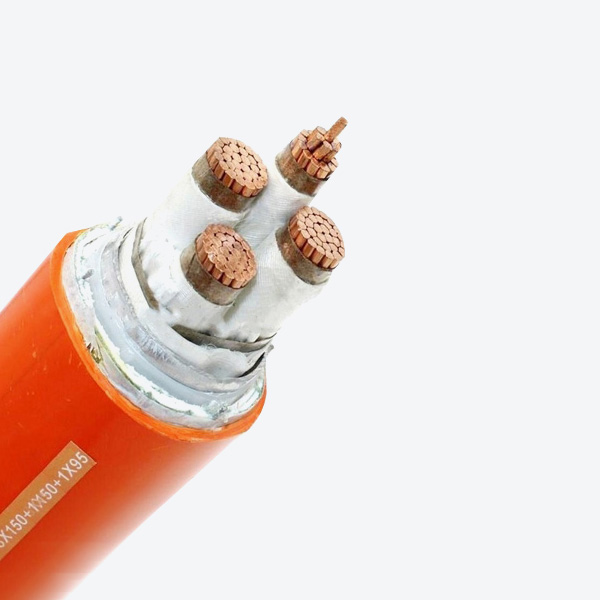 Conclusion EMI shielding in control cables is a critical component in ensuring the reliable operation of electronic devices in various industries. By understanding the significance of EMI shielding, its effects on electronic devices, and the techniques and materials used for shielding, manufacturers can enhance the performance and longevity of their products. Selecting and implementing the appropriate EMI shielding solutions requires careful consideration of factors such as frequency range, environmental conditions, signal integrity, connector compatibility, and cost-efficiency. By incorporating effective EMI shielding in control cables, manufacturers can mitigate the impact of electromagnetic interference and deliver robust and reliable electronic devices to meet the demands of modern technology.